
3 Layout Traps to Avoid When Designing Your Home
When designing a home, most people focus on finishes — the paint colours, fabrics, lighting, and furniture pieces that make a space look beautiful. But one of the most important elements of a successful design is something many people overlook: the layout.
A thoughtful furniture layout can completely change how a room feels and functions. It affects comfort, conversation, movement, and the overall balance of the space. Even the most beautiful room can feel slightly “off” if the layout isn’t working properly.
Here are three common layout traps we often see — and what to do instead.
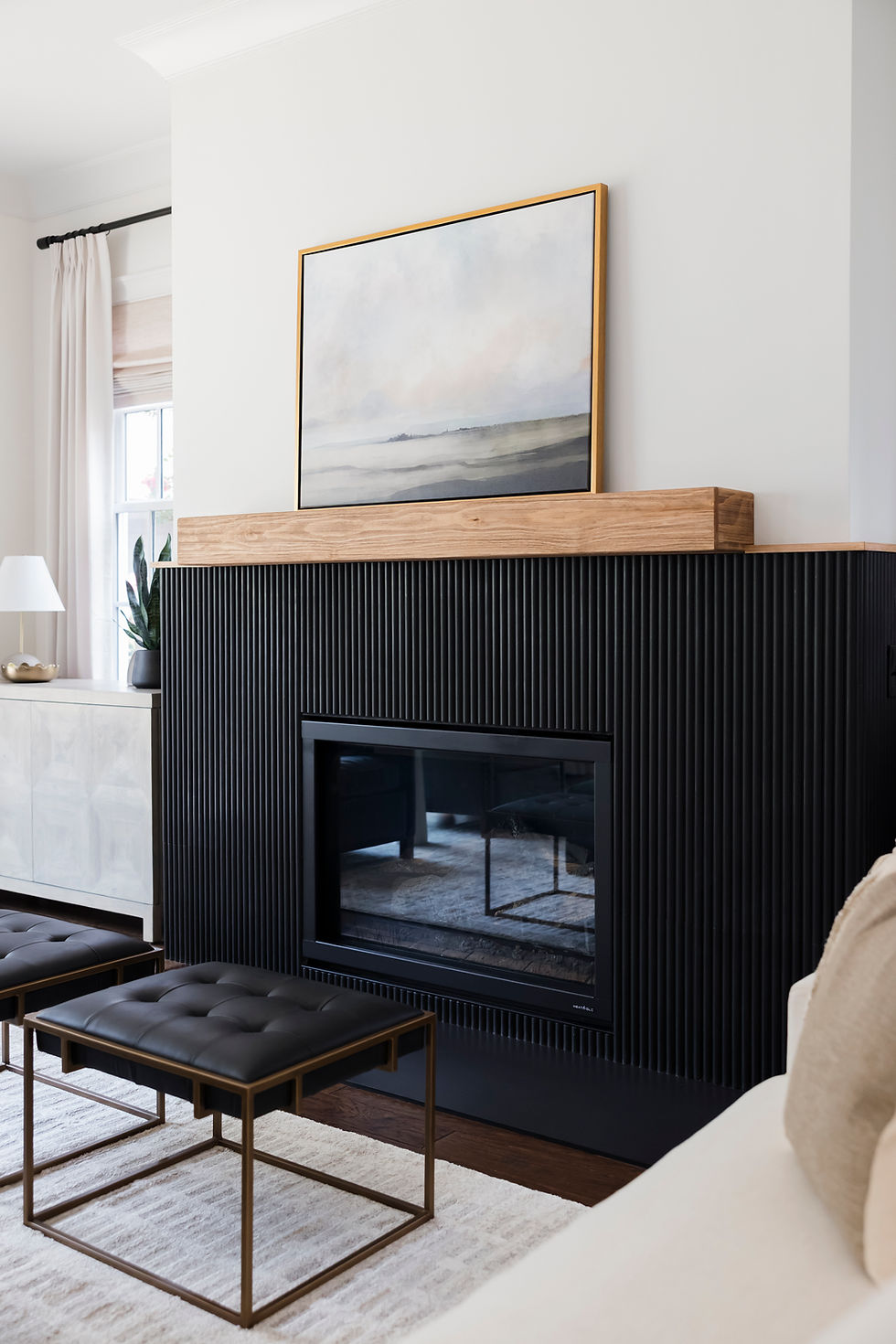
1. Furniture Hugging the Walls
One of the biggest layout mistakes is pushing all of the furniture against the walls in an attempt to make the room feel larger. While this may seem like it creates more open space, it often has the opposite effect. The room can end up feeling disconnected, with too much empty space in the centre and no clear focal point.
Instead, consider floating your furniture slightly closer to the middle of the room. This approach helps create intentional seating areas and encourages conversation. It also allows the room to feel more balanced and thoughtfully designed rather than simply arranged around the perimeter.
Even in smaller spaces, pulling pieces just a few inches away from the walls can make a noticeable difference in how the room feels.

2. Floating Rugs
Another common design issue is using a rug that is too small for the space. When a rug sits in the middle of the room without connecting to the surrounding furniture, it can make the entire layout feel unfinished.
A rug should help anchor the room. As a general rule, at least the front legs of your main furniture pieces — such as sofas or chairs — should sit on the rug. This visually ties the space together and creates a more cohesive look.
Proper rug sizing is one of those details that can quietly elevate a room. It adds structure and balance without drawing attention to itself, which is often the goal of good design.

3. Blocked Pathway Layout Trap
A room might look beautiful, but if it’s difficult to move through, it won’t feel comfortable to live in. Blocked pathways are a layout mistake that can easily go unnoticed until the space is in use.
Furniture should never interrupt natural traffic patterns or make it awkward for people to walk through a room. Instead, layouts should allow for clear and comfortable movement. This is especially important in areas like living rooms, open floor plans, and spaces where people gather frequently.
When planning a layout, it’s helpful to think about how people will naturally move through the space — walking between rooms, sitting down, or interacting with others.
Design should always support the way a home is actually lived in.

Conclusion
A well-designed home isn’t just about selecting beautiful pieces — it’s about arranging them in a way that feels natural, functional, and inviting. Small layout adjustments can make a significant difference in how a space looks and how it feels day to day.
Avoiding common layout traps like furniture hugging the walls, undersized rugs, and blocked pathways can instantly improve the flow and comfort of your home. When a layout is thoughtfully planned, everything in the room works together seamlessly.
And often, that’s the difference between a space that simply looks nice and one that truly feels right.


Comments