
Design Mistakes That Can Ruin a Good Floor Plan
When people think about what makes a home beautiful, they often picture statement fireplaces, vaulted ceilings, exposed beams, or grand staircases. While these architectural features certainly make an impression, they're rarely what determines whether a home is enjoyable to live in.
The biggest design mistakes aren't usually the ones that stand out—they're the subtle decisions made during the planning stage that quietly affect your daily routine for years to come.
A well-designed home isn't just about how it looks. It's about how it functions.
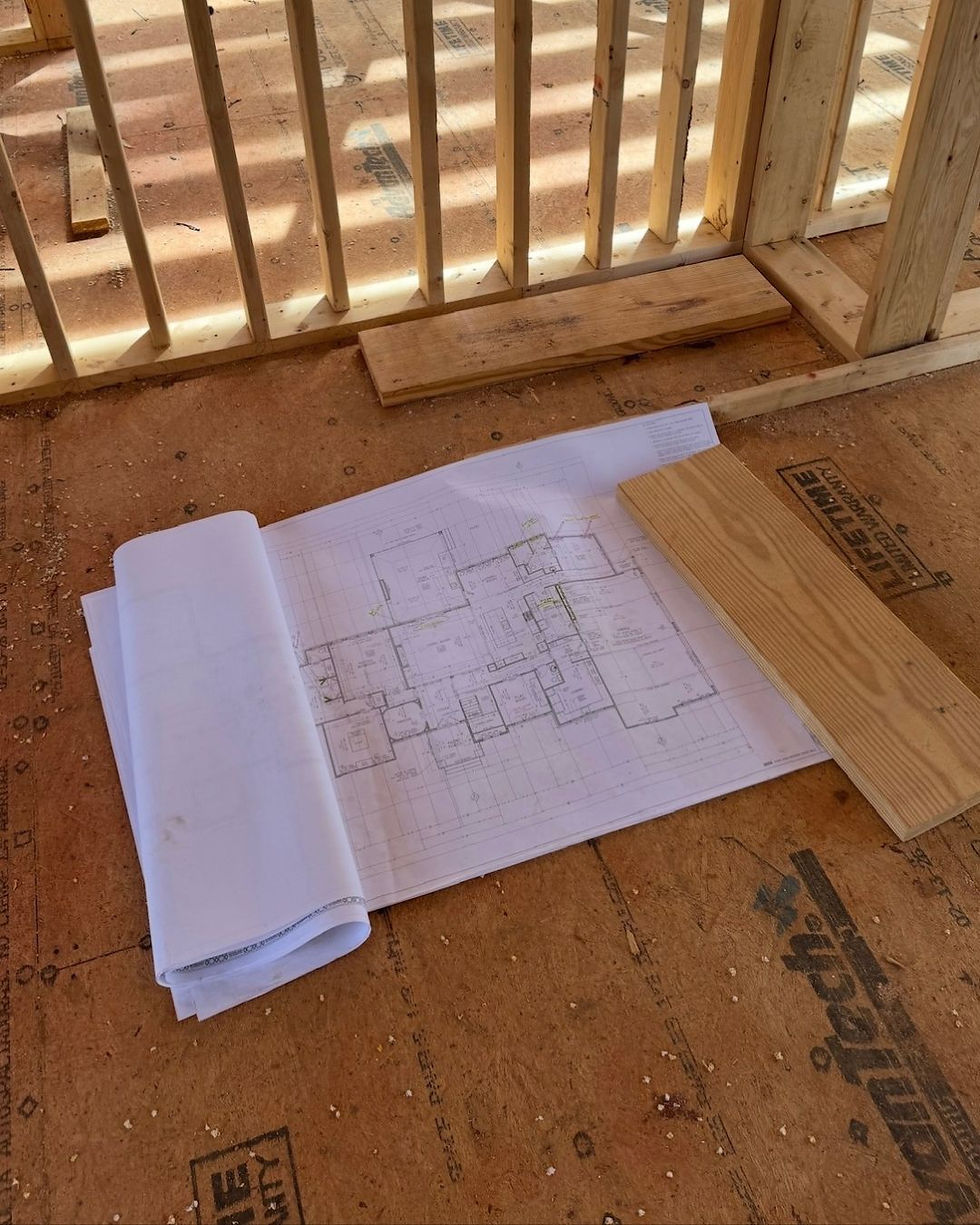
The Small Details Matter Most In a Floor Plan
Many of the most frustrating aspects of a home come down to details that are easy to overlook during the design process.
Window Placement
Windows do far more than bring in natural light. Their placement affects furniture layouts, privacy, room balance, and how each space feels throughout the day. A poorly positioned window can limit where furniture can go or create awkward layouts that are difficult to work around.
Door Swings
Door swings may seem like a minor technical detail, but they influence how a room flows and how easily you can move through it. An incorrectly placed door can block storage, interfere with furniture placement, or make a room feel much smaller than it actually is.
Vanity Sizing
Bathrooms are one of the most frequently used spaces in any home. Choosing the right vanity size ensures there's enough storage, counter space, and room for everyday routines without making the space feel cramped.
Storage Depth
Storage isn't just about having enough closets—it's about designing storage that actually works. Shelves that are too shallow or too deep often become inefficient, making it difficult to stay organized and access everyday items.
Wall Positioning
A few inches can make a significant difference. Wall placement impacts furniture layouts, circulation, sightlines, and the overall functionality of each room. Small adjustments during the planning phase can dramatically improve how a home feels once it's furnished and lived in.

Who Does What?
Creating a home that functions beautifully is a collaborative effort, and each professional plays an important role.
Architect
The architect focuses on the home's structure, exterior design, and foundational layout. They establish the framework that brings the overall vision to life.
Builder
The builder takes those plans and transforms them into reality, coordinating construction and ensuring every detail is executed properly.
Interior Designer
An interior designer looks beyond finishes and furnishings. We think about how you'll move through your home, how each room supports your lifestyle, and whether the space truly works for the people living there.
We consider everyday details like circulation, storage, furniture layouts, lighting, functionality, and how each decision contributes to the overall experience of living in the home.

Why Early Collaboration Matters
The most successful homes don't happen by accident.
When the architect, builder, and interior designer collaborate from the very beginning, decisions are made with both aesthetics and functionality in mind. Potential issues can be identified early, layouts can be refined before construction begins, and every detail works together to create a home that not only looks beautiful but also supports everyday living.
Bringing an interior designer into the process early isn't about choosing paint colours or selecting tile—it's about helping shape a home that functions well from the very start.
Designing a Home You'll Love Living In
Beautiful finishes can always be updated over time. A poorly planned floor plan is much harder—and much more expensive—to change.
The homes that stand the test of time are the ones designed with thoughtful planning, intentional details, and collaboration from the beginning. By paying attention to the elements that often go unnoticed, you create a home that doesn't just photograph beautifully—it feels effortless to live in every single day.


Comments